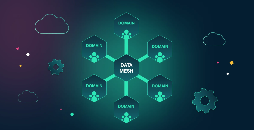
Domain teams own their data products, schemas, quality metrics, and access controls, establishing durable contracts that bind to accountable governance. They steward lifecycle management for internal and external consumers, delivering principled autonomy within guardrails. Collaboration with platform teams translates domain ownership into scalable capabilities, with shared services and observability guiding interoperability. This governance-centric approach accelerates value while preserving autonomy, inviting organizations to consider how trust and discoverability can scale without sacrificing discipline. The path is clear, but the implications demand careful navigation.
What Domain Teams Own in Data Mesh
In Data Mesh, domain teams own the data products that reside within their domain, including the schemas, quality metrics, access controls, and lifecycle governance required to serve internal and external consumers.
This domain ownership establishes clear accountability, enforceable data contracts, and intentional governance. By formalizing these agreements, teams enable scalable autonomy, measurable trust, and resilient, federated decision-making across the architecture.
See also: fideleturf1
How Domain Teams Collaborate With Platform Teams
Domain teams must coordinate with platform teams to translate ownership into scalable, cross-cutting capabilities.
Collaboration centers on codifying domain governance through clear data contracts, aligning standards with architectural vision, and preserving autonomy within governance boundaries.
Platform teams provide shared services, observability, and guardrails, while domain teams contribute context, policy, and accountability, ensuring interoperable, trustworthy data products across the mesh.
Freedom thrives within disciplined collaboration.
Practically Empowering Domain Teams With Principled Autonomy
Ethically and strategically, how can domain teams be empowered with principled autonomy to accelerate data product value without compromising governance? Principled autonomy translates into clear design governance and durable data contracts, enabling rapid iteration while preserving interoperability.
Domains own product outcomes, codify expectations, and autonomously decide on technical shifts within guardrails. Governance remains centralized as a strategic enabler, not a limiter.
Common Pitfalls and Real-World Patterns for Domain-Driven Value
Common pitfalls and real-world patterns reveal how domain-driven value can drift without robust governance or clear contracts, yet they also illuminate actionable paths to sustain momentum.
Governance-centered insight highlights disciplined contracts and explicit ownership, while enabling freedom through autonomy.
Data contracts and data discoverability emerge as guardrails, guiding interoperability, accountability, and scalable collaboration across domains without stifling innovative exploration.
Frequently Asked Questions
What Metrics Validate a Domain Team’s Data Product Success?
Domain product metrics include data product success indicators such as reliability, discoverability, stakeholder satisfaction, and governance compliance; they guide discernment of value, risk, and intentional autonomy, informing strategic decisions while preserving freedom to innovate across domains.
How Do You Handle Cross-Domain Data Dependencies Effectively?
A bridge is built: cross-domain collaboration aligns priorities, dependencies, and timelines. The governance-focused approach enables sustainable data flow, while data contract collaboration formalizes expectations, maintains trust, and mitigates friction across teams, empowering freedom with responsible interoperability.
What Governance Ensures Domain Autonomy Without Chaos?
Governance versus autonomy coexists; robust policies enable domain autonomy while preventing chaos across domains. A visionary, strategic framework ensures clear ownership, standardized interfaces, and transparent metrics, guiding freedom with accountability, risk controls, and continuous alignment to shared data principles.
Which Skills Are Essential for Effective Domain Teams?
Echoing a paradox, essential domain-team skills center on collaboration and data literacy, enabling autonomy within governance. Domain team collaboration unlocks cross-domain value, while data literacy sustains strategic clarity, vision, and freedom through disciplined, forward-looking governance.
How Is Domain-Team Compensation Aligned With Data Value Delivered?
Domain team compensation aligns with data value delivered, incentivizing value creation while managing cross domain dependencies and governance chaos; governance-focused strategies ensure that compensation reflects contribution, accountability, and sustainable freedom for teams to innovate responsibly.
Conclusion
In domain-driven discipline, deliberate design delivers durable data delivery. Governance-guided, guardrail-guarded growth galvanizes teams to own schemas, quality, and access with unwavering accountability. Platform partners provide scalable services, shared observability, and seamless interoperability, turning autonomy into accelerated value. Through principled autonomy, alliances align, artifacts are discoverable, contracts are clear, and risk is reduced. A visionary, strategic cadence emerges: domain teams orbit resilient innovation, while governance anchors trust, clarity, and coordinated progress across the data mesh continuum.